
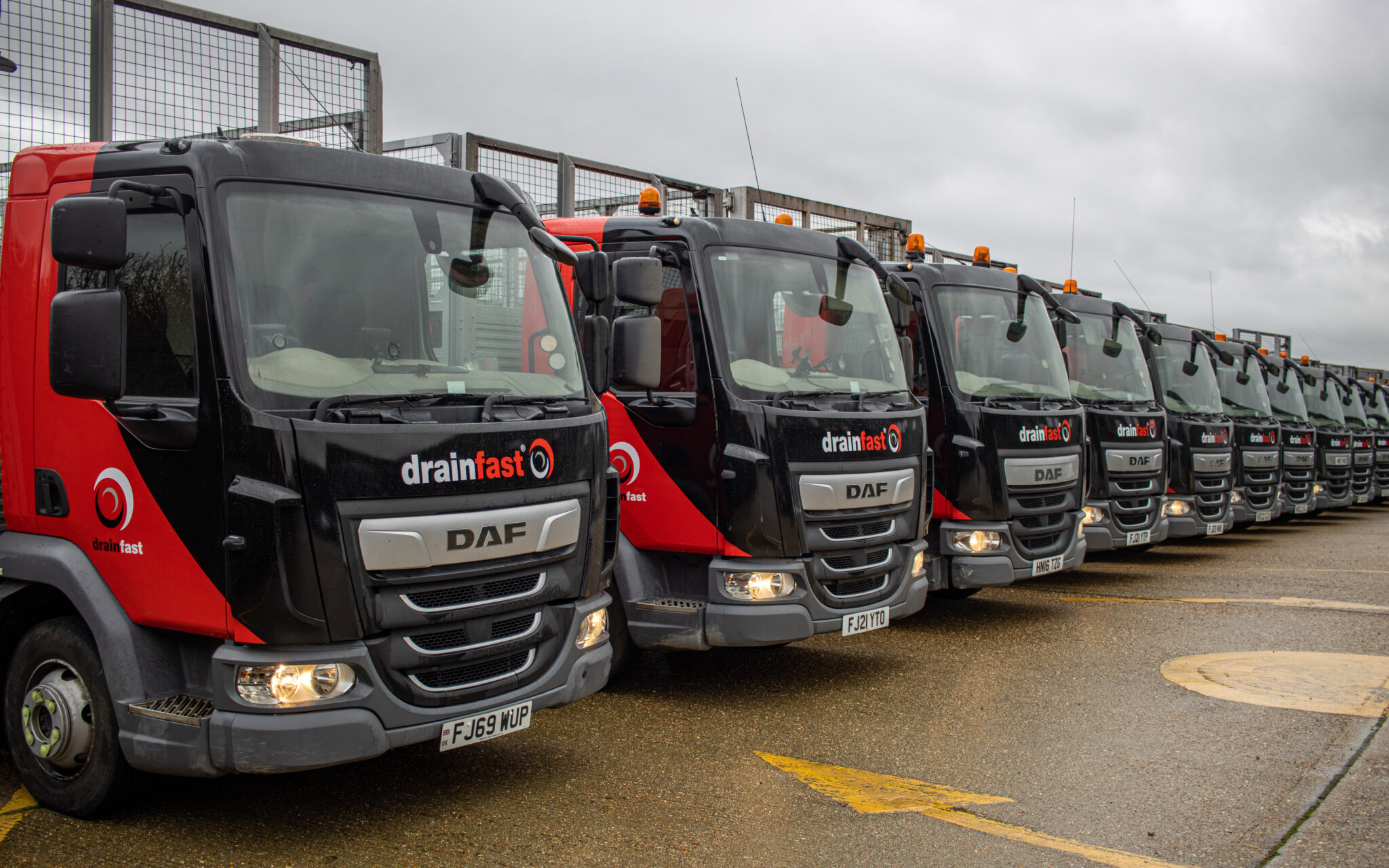
Introduction to Lorry Driving
Lorry driving in the United Kingdom provides an exciting career path for individuals interested in life on the open road. Integral to the logistics sector, lorry drivers are responsible for the efficient movement of goods throughout the country. The industry continues to expand, driven by the increasing need for reliable transportation of products and materials. For those interested in becoming a part of this essential workforce, lorry driving offers a solid and promising career.
Aspiring lorry drivers will find a variety of job opportunities, ranging from regional delivery routes to long-distance hauls. These positions cater to different lifestyle preferences and skill sets, allowing drivers to choose roles that best match their needs and aspirations. With a consistent demand for proficient drivers, there is ample opportunity for career growth and specialisation within the field.
The job can be both challenging and fulfilling, providing a sense of autonomy and the chance to see diverse parts of the country. It requires a combination of practical skills, such as vehicle handling and route planning, as well as interpersonal abilities, since drivers often interact with clients and suppliers.
Additionally, the profession attracts individuals who value independence and enjoy the freedom of working outside a traditional office environment. The sense of accomplishment that comes from meeting delivery schedules and contributing to the supply chain can be deeply satisfying.
Overall, lorry driving is a career that offers both stability and variety, making it an attractive option for many. The combination of demand for skilled drivers and the opportunity to travel ensures that those who enter the field will find numerous prospects for personal and professional development.
Qualifications and Requirements
To pursue a career in lorry driving, certain qualifications and certifications are mandatory. Aspiring drivers must secure the appropriate driving licence, which includes passing the Category C (rigid lorries) or Category C+E (articulated lorries) test. Additionally, a Driver Certificate of Professional Competence (CPC) is required to ensure drivers adhere to professional standards.
There are various training programmes designed to assist new drivers in preparing for these tests. These programmes offer a blend of theoretical instruction and practical experience, providing a thorough grounding in the necessary skills and knowledge. By completing the right training, prospective drivers can boost their proficiency and increase their appeal to employers within the industry.
Furthermore, it is vital for drivers to maintain good physical health, as the role can be physically demanding. Regular medical examinations are part of the certification process, ensuring drivers are fit to handle the rigours of the job. Familiarity with road safety regulations and best practices is also crucial, as adherence to these standards is paramount for safe and efficient driving.
Drivers aiming for specialised roles, such as transporting hazardous materials, will need additional certifications. These positions often require advanced training to ensure the safe handling of specific cargo types and compliance with all relevant regulations. Such qualifications not only enhance a driver’s skill set but also open doors to higher-paying opportunities within the lorry driving profession.
Prospective lorry drivers should also be prepared for continuous professional development. The industry is constantly evolving, and staying updated with the latest regulations, technology, and best practices is essential. This commitment to ongoing learning helps drivers remain competitive and proficient throughout their careers.
Types of Lorry Driving Jobs
Lorry driving jobs are diverse, offering a range of experiences and challenges suited to different preferences. One key distinction is between long-haul and short-haul driving. Long-haul drivers cover extensive distances and often venture across international borders, which necessitates spending considerable time away from home. This role provides the chance to explore new locations and experience different cultures.
On the other hand, short-haul drivers operate within a more confined geographical area, typically returning home more frequently. These roles may involve local deliveries within a city or region, making them appealing for those who value a more consistent schedule and the ability to spend more time with family.
Specialised roles within the lorry driving sector also exist. For instance, driving positions that involve transporting hazardous materials require additional certifications and training to ensure safe handling. These roles can be more lucrative and offer unique challenges that might attract those looking to advance their careers and acquire specialised skills.
Additionally, some drivers may choose roles that focus on specific industries, such as food and beverage distribution, construction materials, or automotive parts. These niche roles often require familiarity with particular types of cargo and the conditions under which they must be transported, adding another layer of expertise to the driver’s skill set.
The variety of lorry driving jobs means that there are opportunities tailored to different lifestyles and career aspirations, making it a versatile field with numerous paths to explore.
Working Conditions
Working as a lorry driver entails experiencing a variety of working conditions, shaped largely by the nature of the driving role and the employer. For instance, long-haul drivers might spend extended periods away from home, covering considerable distances, whereas short-haul drivers generally have routes that enable them to return home more frequently.
The working hours for lorry drivers can be irregular, often requiring flexibility to meet delivery schedules. Drivers must manage their time effectively to adhere to regulations that govern maximum driving hours and mandatory rest periods. These regulations are crucial for ensuring the safety and well-being of drivers.
Additionally, lorry drivers often face external challenges such as traffic congestion and adverse weather conditions. Navigating these obstacles requires patience, skill, and a good understanding of road safety practices. The physical demands of the job, including loading and unloading cargo, can also be significant. It’s important for drivers to maintain good physical health to meet these demands.
Many drivers appreciate the independence and autonomy that come with the job. The opportunity to travel and experience different environments can be a major draw. However, it’s essential to be prepared for the solitary nature of the work, as drivers often spend long hours alone on the road.
Facilities available to lorry drivers, such as rest stops and service stations, play a crucial role in making the job more manageable. Access to amenities like food, rest areas, and maintenance services is vital for maintaining both physical and mental well-being.
The advent of technology is also beginning to influence working conditions. Telematics systems, for instance, help drivers manage routes more efficiently and provide real-time data that can enhance safety and performance. Embracing these technological advancements can make the role more efficient and less stressful.
Benefits of a Lorry Driving Career
Lorry driving provides a range of advantages that make it an appealing career choice for many. One of the most notable benefits is the flexibility it offers in terms of job roles and schedules. Drivers can choose positions that align with their personal preferences, whether they prefer long-haul routes that take them across the country or short-haul routes that allow for more time at home.
Another significant benefit is the sense of independence and autonomy that comes with the job. Many drivers appreciate the freedom of the open road and the ability to work outside a traditional office environment. This sense of autonomy can lead to a greater level of job satisfaction, as drivers have more control over their workday.
The profession also offers a diverse range of experiences, as drivers get to see different parts of the country and meet a variety of people. This variety can keep the job interesting and engaging, preventing the monotony that can come with more conventional careers.
Additionally, lorry driving can be financially rewarding. With the consistent demand for qualified drivers, wages are often competitive, and there are opportunities for overtime and bonuses. Those who specialise in niche areas, such as hazardous materials transport, may command higher salaries due to the additional skills and certifications required.
Lorry drivers also benefit from a sense of camaraderie within the profession. Being part of a community of drivers who understand the unique challenges and rewards of the job can provide valuable support and friendship.
The integration of technology into the industry is making the job more efficient and less stressful, offering tools that help with route planning, communication, and compliance with regulations. This evolution is improving working conditions and making the role more attractive to a new generation of drivers.
Future of Lorry Driving
The future of lorry driving is being shaped by technological advancements and evolving regulations. Innovations such as telematics and autonomous vehicles are beginning to influence the industry, promising increased efficiency and safety. While full automation is still a way off, technology is already enhancing the driving experience and streamlining operations.
Regulations and policies continue to impact the industry, with ongoing changes designed to improve safety and environmental standards. Drivers must stay informed about these developments to remain compliant and competitive in the job market. As the industry evolves, lorry driving will continue to offer dynamic opportunities for those ready to embrace change.